

Nachrichtenüberblick
Veranstaltungsankündigung
Call for Papers
Restaurierungsblätter - Papers in Conservation # 41: fragmentiert – fragmented
Band 41 der Restaurierungsblätter – Papers in Conservation möchten wir einem Thema widmen, das in der Erhaltung von Kunst- und Kulturgut allgegenwärtig ist: Fast immer begegnen wir Objekten in fragmentiertem Zustand – als Relikt, das als eines von vielen Puzzleteilen infolge seiner individuellen Objektgeschichte erhalten blieb und dessen Erhaltung nun in unserer Verantwortung liegt.
Nicht zuletzt ist auch unser Wissen über Objekte, die uns aus ihrer Zeit entrückt begegnen, immer ein fragmentarisches. Überlieferungen, aus deren Wissensschatz sich die Provenienzforschung bzw. konservatorisch-restauratorische Untersuchungen und Rückschlüsse zur Entstehungsgeschichte bedienen, stellen schlussendlich nur einen weiteren Ausschnitt aus vergangenen Zeiten dar. Kulturwissenschaft, Konservierung-Restaurierung und Material-/Naturwissenschaft müssen meist synergetisch arbeiten, um eine möglichst gesamtheitliche Objektgeschichte erzählen zu können und den aktuellen Erhaltungszustand zu verstehen. Museale Ausstellungen sind selbst fast ausnahmslos als Fragmente von Sammlungsbeständen anzusehen. Sie präsentieren in der Regel Varianten/Versionen und hinterlassen Interpretationsspielräume.
Darüber hinaus beeinflusst die Form, in der uns diese Fragmente begegnen, ob als inhärenter Teil einer größeren Sammlung, als Erinnerungsstücke, Bruchteile, Fotografien (selbst wieder reine Ausschnitte/Momentaufnahmen?), in der „klassischen“ Fragmentierung von archäologischen oder mehr kontemporären Funden, viele weitere Handlungs- und Entscheidungsprozesse:
- Worauf basiert eine Entscheidung bei fragmentierter Bestandslage?
- Wie/Wo liegen die Interessen?
- Wie ist mit Fehlstellen umzugehen?
- Wie werden Bruchteile zusammengefügt? Werden sie überhaupt zusammengefügt??
- Wird eine fragmentarische Präsentation angestrebt?
- Welchen Platz nehmen Rekonstruktionen ein (digital oder am Objekt)?
Wir bitten um Einreichung von Abstracts mit Ausgangslage, Fragestellung, wichtigsten Inhalten, Methoden und (zu erwartenden) Ergebnissen (200-300 Wörter) in englischer oder deutscher Sprache bis 30. Juli 2024, per E-Mail an redaktion@iic-austria.org. Sie erhalten bis Mitte August eine Rückmeldung und hätten anschließend bis 30. Oktober 2024 Zeit für die Einreichung des Artikels.
Wir freuen uns außerdem über Kurzbeiträge (max. 500 Wörter, 1 Abbildung) zu aktuellen Projekten, Forschungen, Ausstellungen. Bitte schicken Sie den gesamten Beitrag bis 30. Oktober 2024 ebenfalls per E-Mail an redaktion@iic-austria.org.
Weitere Informationen zur Publikation finden Sie unter www.iic-austria.org/publikationen.
Mit freundlichen Grüßen
Ihr Vorstand
Sehr geehrte Mitglieder,
wir möchten Sie herzlich zu einer Führung durch das laufende Restaurierungsprojekt im Stift Kremsmünster am 7. Juni 2024 mit Peter Griebaum, Stefan Kainz, Pina Klonner, u.a. einladen. Beginn ist um 11:00. Anschließend findet um 13:00 die diesjährige Generalversammlung im Stiftsschank des Stifts Kremsmünster statt.
Ihr Vorstand
Call for Papers
Restaurierungsblätter - Papers in Conservation # 40
Der Call for Papers für Band 40 der Restauratorierungsblätter - Papers in Conservation ist eröffnet. Unter dem Titel "Perspektiven wechseln – changing perspectives" sollen sowohl theoretische als auch praxisbezogene, bisher nicht publizierte Beiträge zu laufenden oder abgeschlossenen Projekten präsentiert werden. Restaurator_innen, Denkmalpfleger_innen und in anderen kultur- oder naturwissenschaftlichen Bereichen mit facheinschlägigem Bezug Aktive sind eingeladen, ihre Positionen zum Themenschwerpunkt “Perspektiven wechseln – changing perspectives” einzubringen. Wir freuen uns über Fachbeiträge, die sich beispielsweise mit der Entwicklung unseres Berufsbildes, der Ausbildung, der Stellung von Restautor_innen in Museen und Institutionen sowie deren nach außen gerichteter Beziehung zur Gesellschaft, dem Verhältnis von Handwerk und Restaurierung oder sich verändernden Herangehensweisen, Methoden und Materialien in der Restaurierung beschäftigen.
Wann und wodurch haben sich Perspektiven gewandelt? Wie erleben und erfahren wir Veränderungen? Was mache ich heute anders? Was soll sich in Zukunft ändern?
Wir bitten um Einreichung von Abstracts mit Ausgangslage, Fragestellung, wichtigsten Inhalten, Methoden und (zu erwartenden) Ergebnissen (200-300 Wörter) in englischer oder deutscher Sprache bis 15. Juni 2023, per E-Mail an redaktion@iic-austria.org. Sie erhalten bis Mitte Juli eine Rückmeldung und hätten anschließend bis 30. September 2023 Zeit für die Einreichung des Artikels.
Wir freuen uns außerdem über Kurzbeiträge (max. 500 Wörter, 1 Abbildung) zu aktuellen Projekten, Forschungen, Ausstellungen. Bitte schicken Sie den gesamten Beitrag bis 30. September 2023 ebenfalls per E-Mail an redaktion@iic-austria.org.
Detaillierte Informationen finden Sie im Call for Papers sowie bei den Autor_innenrichtlinien.
Mit freundlichen Grüßen,
der Vorstand
Veranstaltungsankündigung
Sehr geehrte Mitglieder,
wir möchten gerne schon vorab zur heurigen Generalversammlung am Samstag, den 6. Mai 2023, in Weißenkirchen in der Wachau einladen. Für den IIC Austria werden Hilde und Hannes Netter (Pfarrgemeinde Weißenkirchen) durch die Anlage der Wehrkirche Weißenkirchen, den Kirchenraum und den historischen Dachstuhl führen. Für die anschließende Generalversammlung dürfen wir das Turmstüberl mit Ausblick über die Wachau nutzen. Eine Einladung dazu folgt in Kürze.
Zudem gibt es noch weiteres Aktuelles zu berichten:
Nicht allein, weil der Frühling ein erfrischendes Gefühl und einen Drang zur Erneuerung mit sich bringt… mit der Vorfreude auf unser heuriges Zusammentreffen lassen wir den Blick auch kurz zurück schweifen, auf unsere letztjährige Generalversammlung und möchten ein bereits damals andiskutiertes Thema wieder in Erinnerung rufen.
Mit nächstem Jahr begeht unser Verein sein 45. Jubiläum. Dieses Jahr soll nicht nur der Feier seines bisherigen Bestehens gewidmet sein, sondern bietet auch einen guten Anlass, sich Gedanken zu seiner weiteren Entwicklung zu machen. Ein „Rundes“ feiert – mit ihrem 40. Band – nämlich ebenso unsere Publikationsreihe der Restauratorenblätter – Papers in Conservation. Intern gab es schon länger Überlegungen zu einer zeitgemäßen Anpassung des Titels unserer Fachzeitschrift. Dies wollen wir mit dem kommenden Jubiläumsjahr nun tatsächlich umsetzen und Entsprechendes in der diesjährigen GV beschließen.
In diesem Sinne ist bereits im neuen Call for Papers eine entsprechende Idee präsentiert und soll als Denkanstoß und erster Eindruck dienen, wie diese Neupositionierung aussehen könnte. Der Call für Band 40 wird noch diese Woche ausgesendet und wir freuen uns schon sehr über Ihre Rückmeldungen und vielseitigen Ansichten dazu!
Hoffentlich bis bald beim nächsten Treffen in Persona und inzwischen noch eine schöne Frühlingszeit wünscht
Ihr Vorstand des IIC Austria
Veranstaltungsankündigung
Sehr geehrte Mitglieder von IIC Austria,
wir möchten Sie herzlich zu einer Veranstaltung am 30. März 2023 im MAK einladen. Die Restauratorinnen Britta Dierig und Hannah Jäckel gewähren uns Einblicke in die Restaurierung zweier großformatiger Marketerietafeln von David Roentgen. Die Teilnehmer*innenzahl für die Führung ist auf max. 15 Personen begrenzt, wir bitten um verbindliche Voranmeldung bis 28.03.023 unter: office@iic-austria.org
Mit freundlichen Grüßen,
Ihr Team von IIC Austria
Veranstaltungsankündigung
Sehr geehrte Mitglieder!
Wir möchten Sie herzlich zu einem Vortrag am Donnerstag, den 26. Januar 2023 um 18:00 Uhr einladen einladen: „Continuing Movement“ - von Carolin Bohlmann und Almut Schilling.
Anschließend findet die Buchpräsentation der neu erschienenen Restauratorenblätter - Papers in Conservation Band 39 mit dem Thema „funktionieren und nützen“ statt.
Wir freuen uns auf ein Wiedersehen!
Freundliche Grüße
Ihr Vorstand

Restauratorenblätter - Papers in Conservation 39
Wir freuen uns, dass die Restauratorenblätter - Papers in Conservation 39: funktionieren und nützen – function and use Dezember 2022 erschienen sind.
Viel Freude bei der Lektüre!
Ihr Vorstand
Veranstaltungshinweis
Das Institut für Konservierung-Restaurierung der Akademie der bildenden Künste Wien lädt am 29. und 30. September 2022 in Kooperation mit dem ÖRV und IIC Austria sehr herzlich zum zweitägigen Symposium „Erzählungen – Beiträge zur Geschichte der Konservierung-Restaurierung“ ein.
Unter dem weiten Begriff „Geschichte der Restaurierung” werden über 25 Vortragende über ihre Forschung berichten. Die Beiträge befassen sich nicht nur mit einer großen Palette an Fachbereichen – von archäologischen Bodenfunden über Gemälde, Buch und Papier bis hin zu Stuckmarmor, Stein und Wandmalerei –, sondern decken auch thematisch viele unterschiedliche Aspekte wie historische Restaurier- und strahlungstechnische Untersuchungsmethoden, Oral history oder die Entstehung und Entwicklung von Ausbildungsstätten ab. Darüber hinaus bietet das Programm geographisch eine große Vielfalt. Die Referate werden uns nach Dänemark, Deutschland, Kroatien, Österreich, in die Türkei und nicht zuletzt in die USA (ent)führen.
Ziel des Symposiums ist eine Zusammenschau unterschiedlicher Erzählstränge über die Anfänge einer Disziplin, die schon in ihrer Entstehungszeit im Spannungsfeld künstlerischer, handwerklicher und wissenschaftlicher Praktiken und Wissenskulturen stand und sich daraus zu dem Fach entfaltete, das wir heute als Konservierung-Restaurierung bezeichnen.
Das Programm finden Sie hier.
Anmeldung unter: https://www.eventbrite.com
Veranstaltungsankündigung
Sehr geehrte Mitglieder,
wir freuen uns die diesjährige Generalversammlung des IIC Austria nach zweijähriger Unterbrechung wieder live durchführen zu können. Für diesen Termin haben wir einen besonders schönen Ort gefunden: die Villa Beer der Architekten Josef Frank und Oskar Wlach aus dem Jahr 1929-31.
Eine umfassende restauratorische Befundung der Villa Beer ist gerade abgeschlossen und in Kürze starten die Proberestaurierungen. Für die zahlreichen verwendeten Materialien wie Holz, Kunststein/Stein, Architekturoberfläche, Metall, Fliesen und Gummi wurde ein Team von insgesamt 12 Restaurator*innen herangezogen. Nach Abschluss der Restaurierung soll die Villa museal genutzt werden.
Zunächst bekommen wir von den beteiligten Restaurator*innen, Einblicke in die Materialvielfalt und Werktechnik der Erbauungszeit sowie die laufenden Arbeiten. Anschließend findet vor Ort die Mitgliederversammlung des IIC Austria statt. Die Teilnehmer*innenzahl für die Führung ist auf max. 20 Personen begrenzt, wir bitten um verbindliche Voranmeldung bis 20.06.2022 unter: office@iic-austria.org.
Mit freundlichen Grüßen
Ihr Team von IIC Austria

Sehr geehrte Mitglieder!
Bevor wir alle in die verdiente Winterpause gehen und das Jahr 2021 ausklingen lassen, möchten wir Ihnen mit Erscheinen unseren neuen Band 38 der Restauratorenblätter vorstellen, den Sie in den nächsten Tagen in Ihrem Postkasten finden werden.
Daran anschließend beleuchten wir eines der publizierten Themen mit einem Vortrag von Katharina Derksen über Zukunftsszenarien hinsichtlich mikrobiellen Befalls in musealen Sammlungen.
Weitere Informationen finden Sie hier.
Mit freundlichen Grüßen
Ihr Team von IIC Austria
Restauratorenblätter - Papers in Conservation 38
Wir freuen uns, dass die Restauratorenblätter - Papers in Conservation 38: For Future Anfang Dezember 2021 erschienen sind.

Call for Papers
In Band 39 der Restauratorenblätter – Papers in Conservation dreht sich alles um „Funktion“. Der Titel „funktionieren und nützen“ eröffnet uns ein weites thematisches Spektrum: Dabei spannt sich dieses von der Funktion im technischen Verständnis bis hin zur Funktion im kulturellen Sinn.
Weitere Gedanken dazu finden Sie im ausführlichen Call for Papers. Besonders freuen wir uns über Berichte mit starkem Praxisbezug oder von Beispielen aus der Praxis der Konservierung-Restaurierung, Denkmalpflege, Kunst-, Kultur- oder Naturwissenschaften oder interdisziplinärer Zusammenarbeit: welche Rolle spielen diese Aspekte in laufenden oder abgeschlossenen Projekten?
Wir bitten um Einreichung von Abstracts mit Ausgangslage, Fragestellung, wichtigsten Inhalten, Methoden und (zu erwartenden) Ergebnissen (200-300 Wörter) in englischer oder deutscher Sprache bis 15. Dezember 2021, per E-Mail an redaktion@iic-austria.org.
Ihr Vorstand
Information
Liebe Mitglieder!
Vom International Institute for Conservation of Historic and Artistic Works erreichte uns die Bitte, folgende Informationen weiter zu geben:
As course leader for a conservation programme, we are writing in the hope that you will pass on the International Institute for Conservation's Student Pack 2021 - which you can access online here.
It briefly covers:
* The work of our international Learned Society, which includes events, hybrid conferences, a special Emerging Conservator Zoom series with a focus on education
* Stories from across three generations of conservators, describing how they developed their practice and careers.
* A look at the 70 year history of our international Learned Society - which helped rebuild after the Second World War and is now putting significant resources into helping the sector address the climate emergency.
* We are also pleased to offer heavily subsidised membership for students - with new discounts this year for those in emerging economies, giving free entry to this year's events programme - among other benefits listed here.
Your students might also like to know that our Student & Emerging Conservator Conference is happening very soon, beamed live from the NOVA School of Sciences and Technology, in Lisbon, Portugal on 14 - 16 October 2021. Free to our members with booking now open here, we also provide a free route in for some non-member students through our bursary scheme, so that as many as possible are able to attend - and begin forming international connections and networks.
Access our Student Pack 2021 here.
Veranstaltungsankündigung
Sehr geehrte Mitglieder!
Wir möchten Sie herzlich zu einer Veranstaltung, die schon am Donnerstag, den 07.10.2021 um 17:00 Uhr, stattfindet, einladen: „Die Dusche ums Eck. Zur Baugeschichte eines Tröpferlbads“ - Führung durch das Bezirksmuseum Wieden und die Ausstellung mit Museumsleiter Philipp Maurer, Kuratorin Alina Strmljan und Restauratorin Franka Bindernagel.
Die Teilnehmer*innenzahl ist auf 10 begrenzt, eine Voranmeldung unter: veranstaltungen@iic-austria.org ist erforderlich. Es gelten die 3G-Regeln.
Freundliche Grüße
Ihr Vorstand
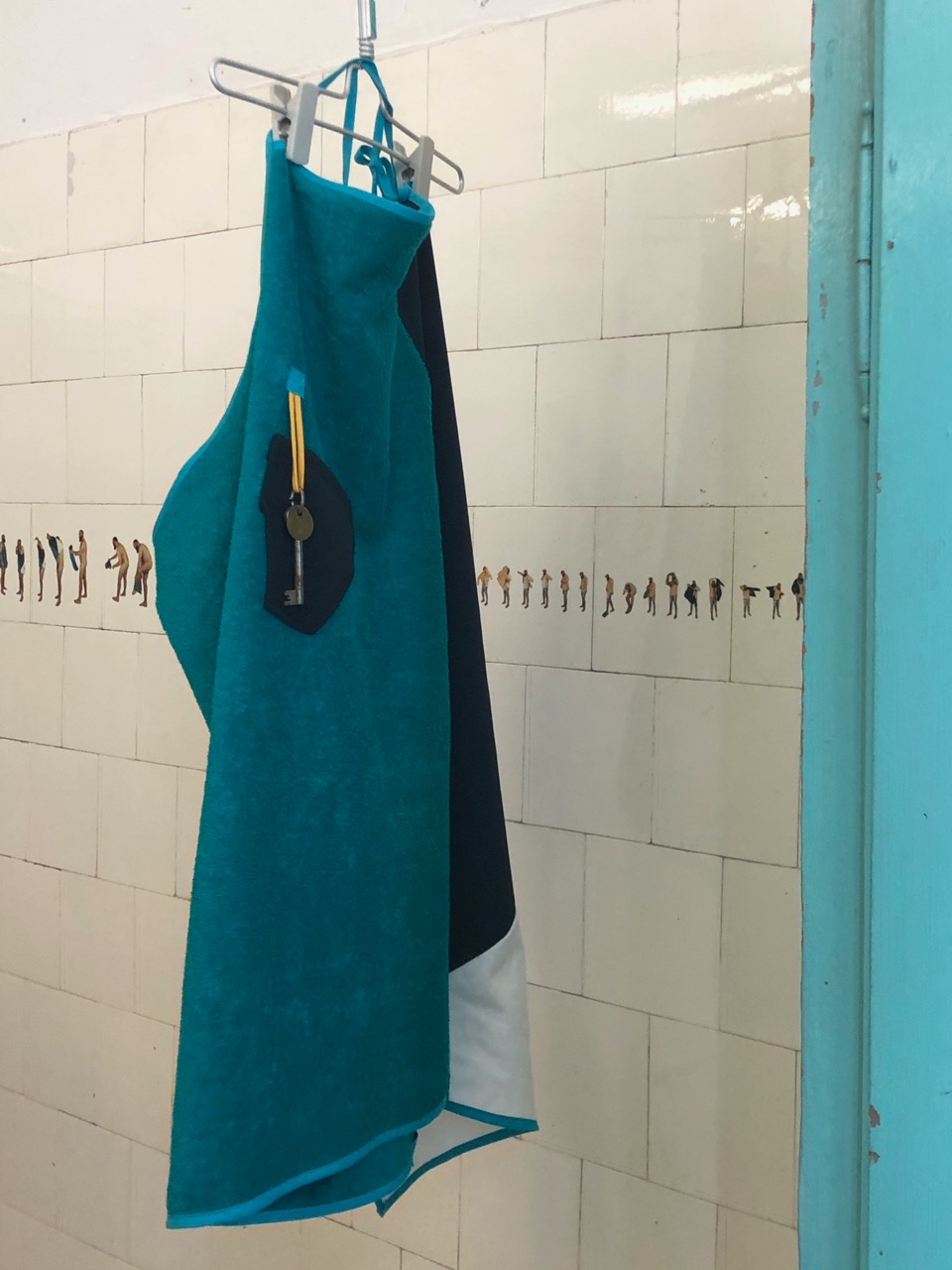
Kunstintervention von Marlene Hübner und Amelie Schlemmer, Foto: F. Bindernagel
Nachruf em. Univ. Prof. Mag. Gerald Kaspar (1926 – 2021)
Der IIC Austria trauert um em. Univ. Prof. Mag. Gerald Kaspar, Restaurator an der Gemäldegalerie des Kunsthistorischen Museums Wien und Professor an der Akademie der bildenden Künste Wien. Gerald Kaspar war eine in jeder Hinsicht herausragende Persönlichkeit, der das KHM bedeutende Erneuerungen in der Methodik der Konservierung und generell auf dem Gebiet der Museologie verdankt. Hier finden Sie die Nachrufe des Kunsthistorischen Museums und der Akademie der bildenden Künste.
Ihr Team von IIC Austria
Restauratorenblätter - Papers in Conservation 37
Wir freuen uns, dass die Restauratorenblätter - Papers in Conservation 37: Generationen im Gespräch erschienen am 1.12.2020 erschienen sind.

Mit freundlichen Grüßen,
das Team von IIC Austria
Call for papers - Restauratorenblätter - Papers in Conservation 38
Verantwortung & Nachhaltigkeit - Responsibility & Sustainability
Die Erhaltung von Kunst- und Kulturgut umfasst nicht nur das singuläre Ereignis einer Konservierung-Restaurierung, sondern stellt vielmehr einen langfristigen Prozess im Spannungsfeld zwischen der Bewahrung von Kulturgut und der Vermittlung von Werten an die Gesellschaft dar. Zahlreiche Aspekte spielen dabei eine Rolle, wobei in zunehmendem Maße auch Fragen einer nachhaltigen Ressourcennutzung in Museum und Denkmalpflege in den Fokus rücken.
In Band 38 der Restauratorenblätter – Papers in Conservation möchten wir untersuchen, wie in Konservierung-Restaurierung und Kulturguterhaltung gesellschaftliche, ökologische und kulturelle Verantwortung wahrgenommen und umgesetzt wird. Den Begriff der Nachhaltigkeit rücken wir ins Zentrum unseres Call for Papers. Ausführlichere Informationen finden Sie im Anhang.
Wie immer sind wir offen für alle Beiträge, die sich im weitesten Sinne von der Thematik angesprochen fühlen. Besonders freuen wir uns über Berichte mit starkem Praxisbezug, von konkreten Initiativen oder von Beispielen aus der Praxis der Konservierung-Restaurierung, Denkmalpflege, Kunst-, Kultur- oder Naturwissenschaften oder interdisziplinärer Zusammenarbeit: welche Rolle spielen gesellschaftliche Verantwortung und Nachhaltigkeit in laufenden oder abgeschlossenen Projekten? Inwiefern können größere oder auch kleinere Beiträge geleistet werden? Was wurde bereits umgesetzt?
Wir bitten um Einreichung von Abstracts mit Ausgangslage, Fragestellung, wichtigsten Inhalten, Methoden und (zu erwartenden) Ergebnissen (200-300 Wörter) in englischer oder deutscher Sprache bis 31. August 2020, per E-Mail an redaktion@iic-austria.org.
Nähere Informationen zum Thema entnehmen Sie bitte dem Anhang.
Mit freundlichen Grüßen,
das Team von IIC Austria
Veranstaltungsankündigung
Sehr geehrte Mitglieder,
aufgrund der aktuellen Situation (COVID-19) wird die diesjährige Generalversammlung des IIC Austria als Video-Konferenz am Dienstag den 30.06.2020 stattfinden. In gewohnter Weise möchten wir Ihnen trotzdem ein in diesem Fall virtuelles Rahmenprogramm bieten. Isabella Frick und Alexandra Schantl werden über die Digitalisierung der Landessammlungen Niederösterreich sowie den "CollectCast NÖ" berichten, zwei Projekte die in der durch Home-Office geprägten Zeit entstanden sind bzw. vorgezogen realisiert wurden.
18 Uhr: Generalversammlung IIC Austria
Wenn Sie teilnehmen möchten, melden Sie sich bitte unter veranstaltungen@iic-austria.org an.
Mit freundlichen Grüßen,
das Team von IIC Austria
Aufruf
Liebe Kolleginnen. Liebe Kollegen.
Wie wir alle den Medien entnehmen können, herrscht derzeit immer wieder ein Mangel an Schutzausrüstung wie FFP3-Atemschutzmasken und Tyvek-Schutzanzügen.
Wenn auch Sie mit entsprechenden Sachspenden helfen können, dann wenden Sie sich bitte direkt an Ihre örtlichen Hilfs- und Sozialeinrichtungen wie beispielsweise Spitäler, den Ärzteverband oder die Caritas.
Jede Unterstützung hilft. # SCHAUEN WIR AUFEINANDER #

Hier finden Sie noch einen Artikel zu den Amsterdamer KollegInnen des Rijksmuseums, die bereits mit gutem Beispiel vorangegangen sind.
Bleiben Sie gesund!
Mit freundlichen Grüßen,
das Team von IIC Austria
Veranstaltungshinweis
Sehr geehrte Mitglieder!
Wir dürfen Sie im Rahmen unserer gewohnten Veranstaltungsreihe zu einer spannenden Führung zum Fastentuch Gurk (Altes Testament) und zur Reliquiensammlung des Florian Waldauf aus der Pfarrkirche St. Nikolaus/Hall in Tirol am 26. März 2020 in die Textilwerkstatt der Werkstätten des Bundesdenkmalamtes einladen.
Mit freundlichen Grüßen,
das Team von IIC Austria
Besuch der Monumento
Sehr geehrte Mitglieder von IIC Austria!
Wir möchen Sie herzlich einladen, uns auf der Monumento zu besuchen. Kommen Sie vorbei und reden Sie mit uns! Wir freuen uns auf Sie. Wir befinden uns in Halle 10, Standnummer 610.

Mir freundlichen Grüßen
ihr Team von IIC Austria
Aufruf
Liebe Mitglieder,
wir möchten Sie auf einen dringenden Aufruf von ICOM/ICOMOS und anderen Verbänden hinweisen und Sie zur Beteiligung ermutigen: Noch bis 18.1. besteht die Möglichkeit, als Institution, Firma oder Privatperson an einer öffentlichen Konsultation zur Erreichung einer Ausnahmegenehmigung für die Verwendung von in situ erzeugtem Stickstoff in der präventiven Konservierung teilzunehmen.
Die Stellungnahme kann unkompliziert online erfolgen:
Zur Teilnahme an der öffentlichen Konsultation (EU Public Consultation)
Einen von ICOM/ICOMOS verfassten Musterbrief, den Sie dafür ganz oder in Auszügen verwenden können, finden Sie hier.
Weiterführende Informationen finden Sie hier.
Mit freundlichen Grüßen
der Vorstand des IIC Austria
Veranstaltungshinweise
Sehr geehrte Mitglieder von IIC Austria!
Wir möchten Sie auf die von der IPM-Arbeitsgruppe in Kooperation mit der Akademie der bildenden Künste Wien organisierte, am 12. und 13. Februar in Wien stattfindende Tagung zu Bioziden und kontaminierten Sammlungen hinweisen.
Außerdem möchten wir Sie über Veranstaltungen der Kartause Mauerbach im Januar und Februar informieren.
Mir freundlichen Grüßen
ihr Team von IIC Austria
Veranstaltungshinweis
Sehr geehrte Mitglieder von IIC Austria!
Wir dürfen Sie am 03. Dezember 2019 um 17:00 im Rahmen unserer gewohnten Veranstaltungsreihe zu zwei interessanten Vorträgen von Matthijs de Keijzer und Marcella Steinbichler über den Cochenille Farbstoff einladen.
Im Anschluss präsentieren wir den frisch erschienenen Band 36 der Restauratorenblätter-Papers in Conservation mit dem Titel im_material_ität/im_material_ity und stoßen mit Ihnen gemeinsam auf ein erfolgreiches Jahr 2019 an.
Wir freuen uns auf Ihr Kommen,
das Team von IIC Austria
Veranstaltungshinweis
Sehr geehrte Mitglieder von IIC Austria!
Am 4. November 2019 findet der Ask a Conservator Day statt, an dem Restaurator_innen in der ganzen Welt teilnehmen.
Es ist ein für die Konservierung-Restaurierung bedeutender Tag: Am 4. November 1966 überschwemmte der Arno Florenz und beschädigte das unschätzbare kulturelle Erbe. Als Reaktion auf die Katastrophe wurden – und werden immer noch – unglaubliche Anstrengungen unternommen, um die von der Flut betroffenen Gegenstände zu erhalten.
Ask a Conservator Day folgt dem Geiste der damals stattgefundenen internationalen Zusammenarbeit und des Wissensaustausches. Wir feiern und anerkennen das Wachstum des Feldes, inspiriert durch die Reaktion auf die Flut und möchten eine Gelegenheit schaffen sich mit Menschen über die sozialen Medien über Konservierung-Restaurierung auszutauschen.
Durch die Verwendung des Hashtags #AskAConservator auf Social-Media-Plattformen (wie Facebook, Twitter, LinkedIn und Instagram) können wir einen ganzheitlichen Überblick darüber geben, was Konservierung-Restaurierung bedeutet – von einzelnen Restaurator_innen, die in der Privatpraxis arbeiten, bis hin zu großen Institutionen.
Weitere Informationen finden Sie auf folgenden Websites:
https://www.iiconservation.org/content/ask-conservator-day
Wir wünschen allen einen schönen AskAConservator Day!
Mit freundlichen Grüßen, Ihr IIC Austria Vorstand
Veranstaltungshinweis
Sehr geehrte Mitglieder!
Wir freuen uns, Sie auf wei weitere Veranstaltungen aufmerksam zu machen:
- Am 10. September 2019 findet das 1st Heritage Science Austria Meeting 2019 statt. Weitere Informationen finden Sie hier sowie unter Terminen.
- Vom 11. bis 14. September findet die Jahrestagung "Archäometrie und Denkmalpflege" statt. Auch dazu finden Sie die Informationen unter Terminen bzw. hier.
- Am 13. September findet das Symposium Virtuelle Kunst im Museum an der Donau Universität Krems statt. Details dazu ebenfalls unter Terminen bzw. hier.
Wir würden uns sehr freuen, Sie sowohl auf unserer Jubiläumsveranstaltung Generationen im Gespräch - 40 Jahre IIC Austria, als auch beim 1st Heritage Science Austria Meeting und/oder bei der Jahrestagung "Archäometrie und Denkmalpflege" zu sehen.
Mit freundlichen Grüßen
Ihr Vorstand
Generationen im Gespräch - 40 Jahre IIC Austria

Generationen im Gespräch - 40 Jahre IIC Austria
Sehr geehrte Mitglieder!
anlässlich des 40-Jahr-Jubiläums findet am 9. September 2019 in Kooperation mit der Akademie der bildenden Künste Wien eine Festtagung statt, zu der wir Sie hiermit recht herzlich einladen.
Das Programm entnehmen Sie bitte dem Anhang. Um Weiterverteilung wird ausdrücklich gebeten, da die Tagung allen Interessenten offen steht.
Um Anmeldung per Email an veranstaltungen@iic-austria.org wird bis spätestens 26. August 2019 gebeten.
Wir wünschen noch einen schönen Sommer und sehen uns hoffentlich gesund und erholt Anfang September bei der Tagung!
Hier finden Sie das Programm und weitere Informationen sowie eine pdf des Programms.
Mit besten Grüßen,
Ihr Vorstand des IIC Austria

Save the date!

Veranstaltungshinweis
Sehr geehrte Miglieder,
wir freuen uns, Sie auf folgende Veranstaltungen des Bundesdenkmalamts aufmerksam zu machen:
Am 31. Mai 2019 findet eine Open air Aufführung im Rahmen des Steffi Kirtags statt.
Am 5. Juni 2019 lädt das BDA zum Fachgespräch zur Restaurierung von Fassungen und Vergoldungen in der Denkmalpflege ein.
Die Abteilung für Inventarisation und Denkmalforschung des Bundesdenkmalamtes lädt am 13. Juni 2019 zum
Denkmalgespräch am Donnerstag mit Architektin Dipl.-Ing.in. Iris Kaltenegger über Denkmalpflege und ihr eigenes Verhältnis zum kulturellen Erbe.
Ebenfalls von der Abteilung für Inventarisation und Denkmalforschung des Bundesdenkmalamts organisiert, findet am Donnerstag, dem 27. Juni 2019 ein Fachgespräch zum Thema „Denkmalschutz im öffentlichen Diskurs. Engagement – Vermittlung – Werte“.
Mit freundlichen Grüßen
Ihr Vorstand
Veranstaltungshinweis
Sehr geehrte Mitglieder,
anlässlich der diesjährigen Generalversammlung des IIC Austria am Donnerstag den 23.05.2019 dürfen wir Sie zu folgendem Programmpunkt einladen.
Wir besichtigen die Dächer über Wien: Frau DI Hanna A. Liebich (BDA - Abteilung für Architektur und Bautechnik) wird uns einen Vortrag über die Dachlandschaft der Wiener Innenstadt präsentieren.
Die Dachlandschaft der Wiener Innenstadt birgt einen Schatz an Zimmermannskonstruktionen aus sieben Jahrhunderten. Im Rahmen des „Dachkataster-Projektes“ des Bundesdenkmalamtes konnten 200 Dachwerke dokumentiert und datiert werden. Entlang der faszinierenden Entwicklungsgeschichte der Konstruktionen werden uns Details zu Material, Transport, Abbund und Errichtung vorgestellt. Im Anschluss können Dachwerke aus dem 15., 17. und 19. Jahrhundert in der Hofburg besichtigt werden.
Wir freuen uns auf Sie!
Mit freundlichen Grüßen
Ihr Vorstand

Einladung zur Generalversammlung
Zur Generalversammlung am 23. Mai 2019, um 16:45 Uhr im Ahnensaal der Hofburg in Wien möchten wir herzlichst unsere Mitglieder einladen!
Die Generalversammlung ist das höchste Organ eines Vereins. Sie dient der gemeinsamen Willensbildung der Mitglieder. Hier wird gemäß Statuten über die Tätigkeiten des Vereins beraten und entschieden, Statutenänderungen beschlossen und alle zwei Jahre werden die Mitglieder des Vorstands sowie die RechnungsprüferInnen gewählt. Die Generalversammlung des IIC-Austria findet jährlich statt.
Für die Mitglieder besteht die Möglichkeit, Wünsche und Änderungsanträge an die Generalversammlung zu stellen oder sich als KandidatIn für allfällige Wahlen zu melden. Weitere Anträge an die Generalversammlung können bis 16.5.2019 schriftlich oder per E-Mail an den Vorstand gestellt werden.
Wir freuen uns auf Ihr Kommen!
Mit freundlichen Grüßen,
Ihr Vorstand
Veranstaltungsankündigung
Sehr geehrte Mitglieder,
Wir dürfen Sie im Rahmen unserer Veranstaltungsreihe zu einer Exklusivführung & Fachdiskussion im Haus der Geschichte Österreich mit Direktorin Dr. Monika Sommer einladen.
Wir freuen uns auf Ihr Kommen!
Mit freundlichen Grüßen
der Vorstand
Veranstaltungsankündigung
Sehr geehrte Mitglieder,
Wir eröffnen das Veranstaltungsprogramm des IIC Austria im Jahr 2019 mit einer am 18. Januar stattfindenden Führung von Frau Dr. Martina Griesser, Leiterin des Naturwissenschaftlichen Labors des Kunsthistorischen Museum Wien, durch die Ausstellung FALSCHE TATSACHEN - DAS PRIVILEGIUM MAIUS UND SEINE GESCHICHTE.
Wir freuen uns auf Ihre Teilnahme!
Mir freundlichen Grüßen
Ihr Vorstand
Veranstaltungsankündigung
Sehr geehrte Mitglieder,
kurzfristig hat sich ein ganz besonderes Adventkalender-Türchen geöffnet:
wir möchten Sie auf unseren nächsten Programmpunkt aufmerksam machen und Sie sowie alle Interessierten herzlich dazu einladen.
Mag. Stefanie Jahn und Mag. Agathe Boruszczak geben am 18.12. eine Führung durch die Ausstellung „Egon Schiele – Wege einer Sammlung“ und stellen maltechnische Untersuchungen und ihre Ergebnisse vor.
Aufgrund der limitierten Teilnehmerzahl von 15 Personen ist eine Voranmeldung bis spätestens 17.12. unter office@iic-austria.org erforderlich.
Wir freuen uns auf Ihre Teilnahme!
Mit freundlichen Grüßen
der Vorstand
Veranstaltungsankündigungen
Sehr geehrte Mitglieder!
Wir freuen uns, Sie auf folgende Veranstaltungen aufmerksam zu machen:
Bis 24.11. läuft im Kunstraum Niederoesterreich die Ausstellung #fuckreality mit zahlreichen AR-, VR- und Mixed Reality-Installationen, die sich mit den medientechnologisch bedingten Veränderungen unseres Wirklichkeitsverständnisses und unserer Körper- und Raumwahrnehmung beschäftigen. Am 22.11. um 18:00 Uhr führen Ruth Schnell, Leiterin der Abteilung DIGITALE KUNST an der Universität für angewandte Kunst, und Dr. Alexandra Schantl durch die Ausstellung. Im Anschluss, ab 19:30 Uhr, gibt es eine Live-Performance von kondition pluriel, bei der virtuelle Charaktere an der Schnittstelle von physischem und medialem Raum mit dem Publikum und realen Performer_innen interagieren.
Am Freitag, 7. Dezember 2018, findet in der Zeit von 14.00 - 19.00 Uhr vor dem Ahnensaal im Bundesdenkmalamt ein Bücherflohmarkt statt.
Mir freundlichen Grüßen
Ihr Vorstand
Veranstaltungsankündigung
Sehr geehrte Mitglieder!
Diesen Sonntag findet europaweit der 1. Tag der Restaurierung statt.
Wir möchten Sie in diesem Zusammenhang auf eine Veranstaltung des Kunsthistorischen Museums Wien (KHM) aufmerksam machen.
"Sehr geehrte Damen und Herren, liebe Kolleg*innen,
der KHM-Museumsverband möchte Sie herzlich zur Teilnahme am 1. Europäischen Tag der Restaurierung – Einblick in ein vielfältiges Fachgebiet im KHM-Museumsverband einladen.
Anlässlich des diesjährigen europäischen Kulturerbejahres SHARING HERITAGE 2018 findet am 14. Oktober 2018 ein von E.C.C.O. (European Confederation of Conservator-Restorers` Organisations) initiierter Europäischer Tag der Restaurierung statt. Europaweit gewähren Restaurator*innen an diesem Sonntag exklusive Einblicke in ihre Arbeit. Ziel des Aktionstages ist es, einem interessierten Publikum eine Vorstellung über den überwiegend unsichtbar bleibenden, komplexen Tätigkeitsbereich von Restaurator*innen zu vermitteln.
In Wien beteiligt sich der KHM-Museumsverband an dieser Veranstaltung: Restaurator*innen aus unterschiedlichen Sammlungen gewähren mit einem vielseitigen Vortragsprogramm, interessanten Mitmachstationen, Postern und Führungen einen Blick hinter die Kulissen des Museumsalltages."
Hier finden sie das Programm. Der Eintritt ist frei.
Veranstaltungserinnerung
Sehr geehrte Mitglieder!
Wir dürfen im Rahmen unserer Veranstaltungsreihe auf den kommenden Vortrag am Donnerstag, den 4. Oktober 2018 erinnern und Sie recht herzlich dazu einladen. Das Thema lautet: DIE ERFORSCHUNG VON ARCHITEKTURFASSUNG AN HISTORISCHEN GEBÄUDEN UND INNENRÄUMEN. Der Vortrag von Edwin Verweij, Norwegen findet in englischer Sprache statt.
Der Vortrag ist kostenlos und findet wie gewohnt im Ahnensaal des Bundesdenkmalmats in der Wiener Hofburg statt. Sieerreichen den Saal über den Schweitzer Hof und die Säulenstiege.
Anschließend an den Vortrag wird es einen Umtrunk zum Erscheinen der neuen RESTAURATORENBLÄTTER Band 35 geben, die vor Ort zur Ansicht aufliegen werden. Sie sind herzlich dazu eingeladen!
Mit freundlichen Grüßen,
der Vorstand des IIC-Austria
Veranstaltungshinweis
Sehr geehrte Mitglieder!
Das Bundesdenkmalamt, Abteilung für Inventarisation und Denkmalforschung, lädt zur Fachtagung aus dem Anlass "100 Jahre Republik" - Denkmalpflege zwischen Monarchie und Republik am 17.10.2018 in Wien ein. Weitere Informationen finden Sie hier.
Mit freundlichen Grüßen,
Ihr Vorstand
Veranstaltungshinweis
Sehr geehrte Mitglieder!
Anlässlich des European Heritage Days 2018 veranstaltet die Kartause Mauerbach am 29. und 30. September die TAGE DER OFFENEN KARTAUSE mit dem Workshop Baudenkmalpflege, zu dem sie herzlich einlädt. Weitere Informationen finden Sie hier.
Mit freundlichen Grüßen,
Ihr Vorstand
Mitgliedernachrichten
Sehr geehrtes Mitglied von IIC Austria!
Im vergangenen Jahr haben wir intensiv an der Neuorientierung unserer Publikation der Restauratorenblätter - Papers in Conservation gearbeitet. Erfreulicherweise können wir Ihnen mitteilen, dass der nächste Band Nr. 35 im Herbst dieses Jahres erscheinen wird und sich mit dem Thema "Material" beschäftigt. Auch der für 2019 geplante Band mit dem - komplementär zu Band 35 angelegten - Thema "im_material_ität" ist bereits in Arbeit.
Wir freuen uns außerdem sehr, dass wir unsere Website überarbeiten und einen Mitgliederbereich einrichten konnten. Dieser ermöglicht Ihnen
- die interne Vernetzung mit anderen Mitgliedern
- den Download der digitalisierten Ausgaben der Bände 1-25 der Restauratorenblätter
Die Zugangsdaten für den Mitgliederbereich erhalten Sie jährlich nach Begleichung des Mitgliedsbeitrags.
Aus dem Herbstprogramm für 2018 dürfen wir Ihnen schon vorab einen Vortrag von Edwin Verweij - Tracing historical colour schemes on buildings and interiors - am 4. Oktober 2017, 17 Uhr im Ahnensaal des BDA ankündigen.
Einen weiterhin schönen und erholsamen Sommer wünscht Ihnen,
Ihr IIC Austria Vorstand
Information
Sehr geehrte Mitglieder!
Wir freuen uns sehr, Ihnen folgende Information der Heritage Science Days weiter geben zu dürfen:
"Wir haben es nun tatsächlich geschafft, die schon länger angekündigte Heritage Science Plattform unter dem Link https://heritagescience.at/ einzurichten. Wie dort ausgewiesen, dient die Plattform v.a. zur Vernetzung der österreichischen Forschungs-Community, als Informations- und Austauschplattform sowie zur Vorbereitung einer möglichen Teilnahme an E-RIHS European Research Infrastructure for Heritage Science.
Im ersten Schritt würden wir Euch/Sie um die Registrierung auf der Plattform ersuchen, falls Ihr/Sie an weiterem Informationsaustausch und den Fortschritten in Richtung E-RIHS interessiert seid/sind. Bitte leitet/leiten Sie diesen Aufruf gerne auch an interessierte KollegInnen weiter – je umfassender wir die Community in Österreich darstellen können, desto besser!
Wir sind auch dankbar für alle Informationen, die Sie/Ihr uns für die Veröffentlichung auf der Plattform zur Verfügung stellen könnt/können und ersuchen um Zusendung an die auf der Website angegebene Kontaktadresse.
Auf Basis der ersten registrierte NutzerInnen möchten wir über den Sommer versuchen, die Plattform weiterzuentwickeln und mit Eurem/Ihrem Input Heritage Science in Österreich breiter bekannt zu machen und auch bei den zuständigen Ministerien und Fördergebern zu etablieren.
Das Heritage-Science-Austria-Team"
Veranstaltungshinweis
Anlässlich der diesjährigen Generalversammlung des IIC Austria am Dienstag den 05.06.2018 dürfen wir Sie zu einem Besuch des Diözesanmuseums St. Pölten einladen.
Wir freuen uns auf Ihre Teilnahme!
Mit freundlichen Grüßen,
Ihr Vorstand
Einladung zur Generalversammlung
Zur Generalversammlung am 05. Juni 2018, um 18:30 Uhr im „Stüberl“ des Gasthofs Graf, Bahnhofsplatz 7, 3100 St. Pölten möchten wir herzlichst unsere Mitglieder einladen!
Die Generalversammlung ist das höchste Organ eines Vereins. Sie dient der gemeinsamen Willensbildung der Mitglieder. Hier wird gemäß Statuten über die Tätigkeiten des Vereins beraten und entschieden, Statutenänderungen beschlossen und alle zwei Jahre werden die Mitglieder des Vorstands sowie die RechnungsprüferInnen gewählt. Die Generalversammlung des IIC-Austria findet jährlich statt.
Für die Mitglieder besteht die Möglichkeit, Wünsche und Änderungsanträge an die Generalversammlung zu stellen oder sich als KandidatIn für allfällige Wahlen zu melden. Weitere Anträge an die Generalversammlung können bis 1.6.2018 schriftlich oder per E-Mail an den Vorstand gestellt werden.
Mit freundlichen Grüßen,
Ihr Vorstand
Veranstaltungshinweise
Sehr geehrte Mitglieder!
Wir dürfen Sie auf eine Veranstaltung des BDA hinweisen.
Mit freundlichen Grüßen,
Ihr IIC Austria Vorstand
Mitgliedernachrichten
Sehr geehrte Mitglieder!
Wir dürfen Sie im Rahmen unserer gewohnten Programmreihe zu zwei interessanten Veranstaltungen einladen. Dr. Koller wird einen Vortrag über Sgrafitto halten und Frau Mag. Jahn ermöglicht uns eine Führung durch die Frueauf-Ausstellung im Belvedere Wien. Sie sind dazu herzlich willkommen.
Wir freuen uns auf Ihr Kommen!
Zusätzlich zu unserem Veranstaltungsprogramm möchten wir Sie im Auftrag des BDA gerne auf Kursangebote der Kartause Mauerbach hinweisen.
Mit freundlichen Grüßen,
der Vorstand
Neujahrsgrüße
Sehr geehrte Mitglieder des IIC Austria.
Liebe Kolleginnen und liebe Kollegen.
Wir hoffen, dass das neue Jahr gut gestartet ist für Sie und wünschen Ihnen und Ihren Familien auf diesem Wege Glück, Gesundheit, Zufriedenheit und Erfolg für 2018.
Ein sehr bewegtes Jahr liegt hinter dem Verein - viele Neuerungen, teils hoch emotional und kräfteraubend diskutiert, haben uns 2017 beschäftigt.Im Interesse des Vereins haben wir jedoch versucht trotz allem möglichst professionell zu agieren und uns umso stärker auf die Vereinsarbeit zu konzentrieren.
Wir haben auch 2017 ein möglichst informatives und abwechslungsreiches Veranstaltungsprogramm zusammengestellt.
Was erwartet uns 2018?
Es erwartet uns kulturell ein ereignisreiches Jahr – große Jubiläen stehen an, verbunden damit zahlreiche, spannende Ausstellungen und Rahmenprogramme:
- 100 Jahre Ende des ersten Weltkrieges und Ausrufung der Republik,
- 100 Jahre allgemeines und gleiches Frauenwahlrecht in Österreich,
- Gustav Klimt und Egon Schiele feiern 100. Todestag,
- Kremser Schmidt feiert seinen 300. Geburtstag.
2018 wurde mittels EU-Beschluss des Europäischen Rates und des EU-Parlamentes zum Europäischen Jahr des Kulturerbes deklariert:
„Zentrale Inhalte des Europäischen Jahres werden sämtliche Formen und Aspekte des Kulturerbes sein – materiell, immateriell und digital – einschließlich Denkmäler, Stätten, Landschaften, Fertigkeiten, Brauchtum, Formen menschlicher Kreativität, das Filmerbe sowie Sammlungen, die in Museen, Bibliotheken und Archiven erhalten und gepflegt werden.“[1]
Passend hierzu wird im 2. Quartal der neue Band Nr. 35 der Restauratorenblätter mit dem Thema „imMATERIALität – imMATERIALity" erscheinen, der inhaltlich stark auf die im obigen Zitat angeführte Themenvielfalt eingehen wird. Aufgrund der Neuorganisation kam es dabei zu Verzögerungen weshalb der für 2017 geplante Band erst 2018 erscheinen wird.
Wir würden daher alle Mitglieder, die den Beitrag für 2017 noch nicht gezahlt haben höflichst ersuchen, diesen noch bis 31.01.2018 einzuzahlen. Gesonderte Nachrichten an die betreffenden Mitglieder werden in den nächsten Tagen ausgesendet werden.
Auch das Frühjahrsprogramm wird sich der zitierten Vielfalt des immateriellen und materiellen Kulturerbes hingeben – Führungen und Vorträge sind bereits in Planung.
Ende des ersten Quartals 2018 werden wir unsere Generalversammlung samt interessantem Rahmenprogramm organisieren – wir bitten Sie bereits jetzt um möglichst großes Interesse und rege Teilnahme.
Zu allen Veranstaltungspunkten erhalten Sie wie gewohnt vorab Aussendungen – in diesem Sinne freuen wir uns auf ein neues, spannendes Jahr mit Ihnen und all unseren Gastgebern und Vortragenden.
Mit herzlichen Grüßen
Der Vorstand des IIC Austria
___
[1] Quelle: http://www.creativeeurope.at/eu-kulturpolitik/news/beschluss-des-europaeischen-jahr-des-kulturerbes-2018.html (zuletzt besucht am 06.01.2018, 22.35h)
Veranstaltungshinweisee
Sehr geehrte Mitglieder!
Wir freuen uns, Sie auf folgende Veranstaltungen aufmerksam machen zu dürfen:
Vom 22. bis 24. November 2017 finden die Heritage Science Days am Kunsthistorischen Museum Wien, der TU Wien und der Österreichischen Akademie der Wissenschaften statt.
Weiters wird am 22. November 2017 an der Akademie der bildenden Künste ein Gastvortrag gehalten. Ein weiterer Vortrag findet dort am 19. Dezember 2017 statt.
Am Donnerstag, 23. November 2017, halten Patricia Engel (DUK) und Ulrike Herbig (TU Wien) einen Vortrag über "Ganzheitliche Restaurierung zeitgenössischer Graphik - Affandis graphisches Werk und das Museum Affandi in Yogyakarta - Rezeption und Konservierung" an der TU Wien.
Am Freitag, 1. Dezember 2017, findet in der Zeit von 14.00 - 19.00 Uhr vor dem Ahnensaal im Bundesdenkmalamt ein Bücherflohmarkt statt.
zwei Gastvorträgen am Institut für Konservierung und Restaurierung der Universität für Angewandte Kunst
Mit freundlichen Grüßen
Ihr IIC Austria Vorstand
Mitgliedernachrichten - Herbstprogramm 2017
Sehr geehrte Mitglieder!
Zum heurigen Herbstprogramm möchte Sie der Vorstand wie gewohnt über die aktuellen Vorträge und Exkursionen informieren und zu reger Teilnahme einladen.
Bereits am Dienstag, dem 07. November 2017, hält Mag. Johanna Wilk einen Vortrag "Zur Sammlung von Stift Neukloster". Am Freitag, dem 17. November 2017, führen Mag. Johanna Wilk und Prior Pater Walter durch die Sammlung von Stift Neukloster. Die beiden Programmpunkte hängen thematisch zusammen, werden jedoch an unterschiedlichen Orten und Terminen durchgeführt.
Mit freundlichen Grüßen
der Vorstand
Spendenaufruf
Der Verein Restauratoren ohne Grenzen bezweckt ausschließlich und unmittelbar die Rettung des schriftlichen und graphischen Erbes unter besonderer Berücksichtigung der technologischen Fortschritte im Bereich der Restaurierung.
Im Moment organisiert der Verein eine Hilfsaktion im Irak und bietet Notfallpläne für europäische Archive und Bibliotheken an. Mehr Informationen finden Sie auf der homepage des Vereins.
Im Herbst 2016 brachten die Kollegen aus dem Irak eine Liste dringend benötigten Materials mit. Restauratoren ohne Grenzen versucht seither, die Papiere, Schachteln und andere Dinge entweder über Sachspenden oder über Geldmittel zu beschaffen, um sie im November in den Irak schicken zu können.
Hier ist eine Liste der benötigten Materialien. Bitte wenden Sie sich mit Rückfragen an den Verein.
Call for papers
El'Manuscript 2018 international freut sich über Einreichungen von Abstracts für die Konferenz.
Beiträge über die Schaffung und Entwicklung von Informationssystemen für die Lagerung,
Beschreibung, Verarbeitung, Analyse und Veröffentlichung von mittelalterlichen und neuzeitlichen handschriftlichen und gedruckten Texten und dokumentarischen Aufzeichnungen. Jede Person, die diese Ressourcen schafft oder anwendet - Forscher, Lehrer, Mitarbeiter von Bibliotheken, Museen und Archiven, Programmierer und Studenten - ist willkommen, sich zu beteiligen.
Mehr Informationen finden Sie hier.
A u f r u f (Stand: 19.9.2017)
„Verantwortlich für Kultur – Das Wiener Weltkulturerbe muss bleiben!“
Letzte Möglichkeit zur Unterzeichnung vor der Veröffentlichung
Liebe Kolleginnen und Kollegen!
Sehr geehrte Damen und Herren!
Der Aufruf zur Erhaltung des Wiener Weltkulturerbes wird in den nächsten Tagen veröffentlicht. Es besteht eine letzte Möglichkeit, ihn vor der öffentlichen Bekanntmachung zu unterzeichnen.
Es genügt die Bekanntgabe des Namens, der gewünschten Berufs-/Funktionsbezeichnung und eines Absenderortes an die E-Mail-Adresse: gr@literaturhaus.at
Die Liste der derzeit rund 750 Unterzeichner/innen liegt als PDF bei.
Herzliche Grüße
Gerhard Ruiss
---
Aufforderung an die Stadt Wien und an die jetzige und kommende österreichische Regierung:
Verantwortlich für Kultur – Das Wiener Weltkulturerbe muss bleiben!
Noch für jede österreichische Regierung nach 1945 war Österreich eine „Kulturnation“, für die Regierung der ersten österreichischen EU-Präsidentschaft 1998 sogar eine „Weltkulturnation“. Eine kulturelle Großveranstaltung in Wien am Beginn der Präsidentschaft und eine Publikumsdiskussion mit den Kulturministern und Kulturministerinnen aller EU-Mitgliedsstaaten in Linz sollten das unterstreichen. Auch bei seinem zweiten EU-Vorsitz 2006 präsentierte sich Österreich als, so eine auch sonst gerne gebrauchte Bezeichnung, „Kulturgroßmacht“. Am letzten Tag seiner Präsidentschaft verabschiedete sich Österreich aus Schloss Schönbrunn mit dem „Konzert für Europa“ der Wiener Philharmoniker unter der Leitung von Plácido Domingo.
Die dritte EU-Präsidentschaft im zweiten Halbjahr 2018 kündigt sich unter vollkommen anderen Vorzeichen an. Wien wurde im Juli dieses Jahres auf Grund eines zu hoch geplanten Hotelneubaus am Heumarkt in der Wiener Innenstadt von der UNESCO auf die Rote Liste der gefährdeten Weltkulturerbe-Stätten gesetzt. Erfolgt keine Reduktion auf die Höhe der umliegenden Gebäude, wird Wien 2018 der Status des Weltkulturerbes für seine Innenstadt aberkannt. 2018 begeht die EU das „Europäische Kulturerbe-Jahr“, Österreich würde als Land der EU-Präsidentschaft die Aberkennung des Wiener Weltkulturerbe-Prädikats als Beitrag dazu „leisten“.
Es ist unerträglich, den kulturellen Ruf Wiens und Österreichs wegen eines einzigen Hotelhochhausprojektes zu verspielen. Es ist unerträglich, dass einem Hotelhochhausneubau größere materielle und ideelle Bedeutung beigemessen werden könnte als dem kulturellen Erbe Wiens und Österreichs. Die Zeit drängt. Bis 1. Februar 2018 kann Wien seine Erhaltungsmaßnahmen für das Wiener Weltkulturerbe der UNESCO bekanntgeben. Wir können nicht abwarten, ob Wien zur Erhaltung seines Weltkulturerbes mehr unternimmt als bisher. Wir können nicht warten, bis sich eine neue österreichische Regierung nach der Nationalratswahl vom 15. Oktober 2017 gebildet hat und sich der Angelegenheit annimmt.
Wir fordern Wien auf, von sich aus aktiv zu werden. Wir fordern die jetzige Regierung und die wahlwerbenden Parteien dazu auf, sich umgehend mit Wien ins Einvernehmen zu setzen und zu bewegen, den drohenden Schaden durch eine Einigung mit der UNESCO von Wien und Österreich abzuwenden. Wir fordern die künftige Regierung dazu auf, sich von Anbeginn an weiter dafür zu verwenden, dass Wien seinen Weltkulturerbe-Status für seine historische Wiener Innenstadt behält.
Gerhard Ruiss, Barbara Frischmuth, Alfred Komarek, Felix Mitterer, Martin Pollack, Michael Köhlmeier, Thomas Maurer, Vladimir Vertlib, Andreas Vitasek, Peter Paul Skrepek, Monika Helfer, Peter Henisch, Heinz Lunzer, Brigitte Rapp, Lydia Mischkulnig, Alois Hotschnig, Elfriede Hammerl, Anna Kim, Erwin Einzinger, Reinhold Bilgeri, Janko Ferk, Ulrike Truger, Ludwig Laher, Marianne Gruber, Renate Welsh, Gabriele Kögl, Evelyn Schlag, Michael Amon, Jochen Jung, Eva Schobel, Jörg-Martin Willnauer, Olga Flor, Bettina Balàka, Margit Schreiner, Kathrin Röggla, Stefan Slupetzky, Peter Paul Wiplinger, Nils Jensen, Sylvia Treudl, Christl Greller, O.P. Zier, Manfred Chobot, Klaus Zeyringer, Ursula Prutsch ...
Sehr geehrte Mitglieder!
Wir dürfen Sie bereits am 8. Juni im Rahmen unserer gewohnten Programmreihe zu einer Führung durch die Rembrandt-Ausstellung in der Residenzgalerie Salzburg einladen. Am 28. Juni offerieren wir Ihnen einen Vortrag zum Thema „Palmyra geht uns alle an!“ an.
Wir freuen uns auf Ihr Kommen!
Mit freundlichen Grüßen,
der Vorstand
Call for Papers
Restauratorenblätter - Papers in Conservation 35
imMATERIALität - imMATERIALity
Der Call for Papers für Band 35 der Restauratorenblätter - Papers in Conservation ist eröffnet. Unter dem Titel "imMATERIALität" sollen sowohl theoretische als auch praxisbezogene, bisher nicht publizierte Beiträge zu laufenden oder abgeschlossenen Projekten präsentiert werden. RestauratorInnen, DenkmalpflegerInnen und in anderen kultur- oder naturwissenschaftlichen Bereichen mit facheinschlägigem Bezug Aktive sind eingeladen, ihre Positionen zum breiten Themenschwerpunkt "Material" mit der Fachwelt zu teilen. Dies kann auch die Beschäftigung mit Informationen, die dem Materiellen eingeschriebenen sind, Materialsemantik, Immateriellem, Prozesshaftem oder Flüchtigem umfassen.
Abstracts mit Ausgangslage, Fragestellung, wichtigsten Inhalten, Methoden, und (zu erwartenden) Ergebnissen in Deutsch und Englisch (200-300 Wörter) sind bis 15.04.2017 an redaktion@iic-austria.org zu senden.
Nähere Informationen zum Thema finden Sie hier bzw. unter call for papers.
Mit freundlichen Grüßen,
der Vorstand
Sehr geehrte Mitglieder!
Im Jänner dürfen Sie im Rahmen unserer aktuellen Herbstprogrammreihe zu einer Führung durch das Depot der Kunstsammlung der Universität für angewandte Kunst Wien einladen. Wir freuen uns auf Ihr Kommen!
Des Weiteren wird die aktuelle Ausgabe der Restauratorenblätter (Band 34) voraussichtlich Ende Februar erscheinen und unseren Mitgliedern automatisch zugesandt werden. Sollten Sie den Mitgliedsbeitrag für das Jahr 2016 nicht bezahlt haben und möchten den neuen Band dennoch zugesandt bekommen, so bitten wir um Kontaktaufnahme.
Mit freundlichen Grüßen,
der Vorstand

Liebe Mitglieder und Freund_innen des IIC-Austria,
wir bedanken uns für Ihre Teilnahme an unserem Veranstaltungsprogramm, welches diesmal unter dem Motto: Erfassen, Archivieren - Sammlungsdatenbanken stand. Am 9. Juni bekamen wir eine spannende Führung durch den Schaugarten der Arche Noah (Gesellschaft zur Erhaltung der Kulturpflanzenvielfalt) und erhielten Einblicke in die Aufgaben der Erhaltung von Pflanzenraritäten und Saatgut.
Mit einem weiteren Fachvortrag am 23. Juni wurde das Thema Sammlungsdatenbanken in den Kontext von Museen gesetzt und diskutiert.
Vielen Dank für Ihre Unterstützung!
Mit freundlichen Grüßen,
der Vorstand
Die aktuellen News in Conservation (Ausgabe 53, 2016) des IIC sind veröffentlicht. Bitte lesen sie hier.
Dank allen Besucher_innen des Tages der Restaurierung am 14.3.2016 im Kunsthaus Graz.
Termin und Programm für den nächsten Tag der Restaurierung 2017 stehen bereits fest. Wir freuen uns, Sie wieder begrüßen zu dürfen!
Liebe Mitglieder und Freund_innen des IIC-Austria,
ein in Frankreich erlassenes Gesetz ordnet alle Restauratoren dem Kunsthandwerk zu. Das hat in Frankreich Folgen für die Bedingungen zur Berufsausübung im Sinne einer freiberuflichen Dienstleistung. Auf europäischer Ebene bedeutet das Gesetz nach 40 Jahren Hochschulausbildung einen massiven Rückschritt für den Berufsstand. Der Französische Restauratorenverband, FFCR, Mitglied bei E.C.C.O., bittet um Unterstützung bei einer Unterschriftensammlung gegen diese Einstufung. Bitte unterschreiben und verbreiten Sie diese für den Berufsstand des Restaurators wichtige Petition.
http://www.petitionen24.com/alerte_les_restaurateurs_francais_du_patrimoine_sont_en_danger
Jede Unterschrift zählt und je mehr diese Petition unterstützen, desto größer sind die Chancen, der berufspolitischen Entwicklung in Frankreich und letztendlich auch in Europa entgegenzuwirken. Und mitmachen ist denkbar einfach:
1. Klicken Sie den Link an: http://www.petitionen24.com/alerte_les_restaurateurs_francais_du_patrimoine_sont_en_danger
2. Tragen Sie am Ende der Seite Name, Vorname, Stadt, Land und Mailadresse ein
3. Geben sie an, ob Sie die Unterschrift veröffentlichen wollen
4. Geben Sie den automatisch generierten Code in die freie Zeile ein
5. Klicken Sie auf Unterschreibe diese Petition
Auf der vom 28. - 30. Januar 2016 stattgefundenen Monumento war der IIC Austria mit einem Stand vertreten.
Dort konnten Sie auch die frisch erschienenen "Restauratorenblätter - Papers in Conservation" erwerben. Diese sind nun per Bestellung über den Verlag erhältlich.
Wir danken für Ihren Besuch!

SPENDENAUFRUF "Restauratoren ohne Grenzen"
Europas Geschichte ist in den Archiven authentisch dokumentiert. Archivmaterial wurde auf Grund seines unspektakulären Aussehens kaum besonderen Restaurierungsmaßnahmen unterzoge und wenig verändert, so das Text und Material aussagekräftige Informationsträger sind. Archivgut nimmt einen besonders wichtigen Platz ein, wenn es um die Dokumentation, Identifikation und Legitimation von Kultur und Vergangenheit geht. Das Verhältnis der Menschen zueinander und zu ihrer Umwelt werden durch Verträge, Gerichtsakten und andere schriftlichen Zeugnissen unmittelbar gespiegelt.
Die Bedeutung schriftlicher Quellen wird zur Zeit im Irak, in Syrien und den angrenzenden Gebieten deutlich, wo sich die Vernichtung alles vermeintlich islamfeindlichen gegen Menschen und Kulturgut richtet. Neben herausragenden Bauwerken, die medienwirksam zerstört werden, gehen Archivmaterial und Handschriften verloren. Das Zweistromland ist die Wiege der europäischen Kultur, was da bedroht ist ist also auch unser Kulturerbe im engeren Sinn.
Der Verein "Restauratoren ohne Grenzen" unterstützt die Rettung schriftlichen und graphischen Erbes im Katastrophenfall. Konkret erreicht uns eine Bitte um Hilfe aus dem Irak, wo es um die Erstversorung von Dokumenten unmittelbar nach der Bergung geht. Aus Sicherheitsgründen können keine Details veröffentlicht werden. Für diesen und ähnliche Fälle werden Menschen aus der Region in Österreich geschult. Auch eine restauratorische Notfallanleitung auf Arabisch entsteht gerade. Ein europäisches Außenministerium hat den sicheren Transport von Material in die Region zugesagt.
Das alles kostet keine Unsummen, aber doch ein wenig Geld. Wir möchten Sie daher um eine Spende auf folgendes Konto bitten.
"Restauratoren ohne Grenzen"
IBAN: AT742023000000507681
BIC: SPLSAT21.
Wer Mitglied beim Verein "Restauratoren ohne Grenzen" werden möchte, und uns damit finanziell und ideell unterstützen möchte ist herzlich willkommen. Bitte senden Sie uns Ihren Anmeldewunsch an: restauratorenohnegrenzen@gmail.com
Mit Dank und freundlichen Grüßen
Dr. habil Mag. Patricia Engel, akademische Restauratorin
SPENDENAUFRUF "Nepal"
Liebe Kolleginnen und Kollegen,
in den vergangenen Jahren war das Institut für Konservierung und Restaurierung der Universität für angewandte Kunst Wien unter Leitung von Frau Prof. Dr. Gabriela Krist, der vormaligen Präsidentin des IIC-Austria, in Nepal tätig und unterstütze dort das Kathmandu Valley Preservation Trust (KVPT) bei der Erhaltung und Restaurierung des lokalen Kulturerbes.
Aufgrund des verheerenden Erdbebens im April 2015 im Kathmandu-Tal bitten wir Mitglieder und Unterstützer des IIC-Austria nach Möglichkeit den vom Institut gestarteten Spendenaufruf zu unterstützen.
Die Folgen dieser Naturkatastrophe für Nepal sind verheerend – tausende Menschen verloren ihr Leben, noch mehr wurden ihrer Existenzgrundlage beraubt. Ganze Stadtteile und bedeutendes Kulturerbe liegen in Trümmern und es wird Jahre dauern alles wieder aufzubauen.
Auch vier der Mitarbeiter des KVPT und deren Familien haben durch das verheerende Beben ihre Häuser verloren. Nachdem sie in den ersten Wochen unter Planen leben mussten, haben Sie nun mit dem Bau von Hütten aus einfachsten Materialien begonnen, um sich vor dem Monsun zu schützen.
Diese Menschen haben das Team des Instituts in den letzten Jahren immer herzlich willkommen geheißen und bei den Arbeiten vor Ort unterstützt.
Nun wollen auch wir ihnen durch Ihre Spenden bei der Errichtung neuer, erdbebensicherer Häuser helfen!
Damit Ihr Geld auch sicher dort ankommt, wo es dringend gebraucht wird, werden alle Spenden spätestens im September 2016 durch das Institut vor Ort direkt an die Familien übergeben. Einen ersten Teil der Spenden konnten wir bereits im Zuge unserer diesjährigen Arbeitskampagne im September 2015 überreichen – die Freude und Dankbarkeit war riesig!
Bitte hören Sie dennoch nicht auf zu spenden, Ihre Hilfe kommt auch in Zukunft noch sicher in Nepal an, denn nach dem Arbeitseinsatz ist vor dem Arbeitseinsatz!
Spendenkonto:
IBAN: AT08 1200 0512 6020 0213
BIC: BKAUATWW
Kennwort: Patan (ID170111)
HERBSTPROGRAMM 2015
Bereits am 4.11.2015 gab es im Rahmen unserer gewohnten Herbstprogrammreihe zu einen interessanten Fachvortrag den Fürstenzimmern der Feste Hohensalzburg. Im Dezember luden wir Sie zu einer Führung durch die Sammlung des Uhrenmuseums ein.
Vielen Dank für Ihr Kommen!
In der Ausgabe 220 von Museum Aktuell informierte Paul-Bernhard Eipper, Präsident des IIC Austria, über den Verein sowie den Relaunch der Restauratorenblätter. Das Interview kann hier abgerufen werden.
Den am 18.12.2014 erschienen Band 32 der "RESTAURATORENBLÄTTER - Papers in Conservation" können Sie noch über den Verlag erwerben.

Die "RESTAURATORENBLÄTTER - Papers in Conservation" 33/2015 wurden im Januar 2016 ausgeliefert. Auch sie können über den Verlag bezogen werden.
Ein Call for Papers für Band 34 wurde bereits veröffentlicht. Mehr dazu hier.